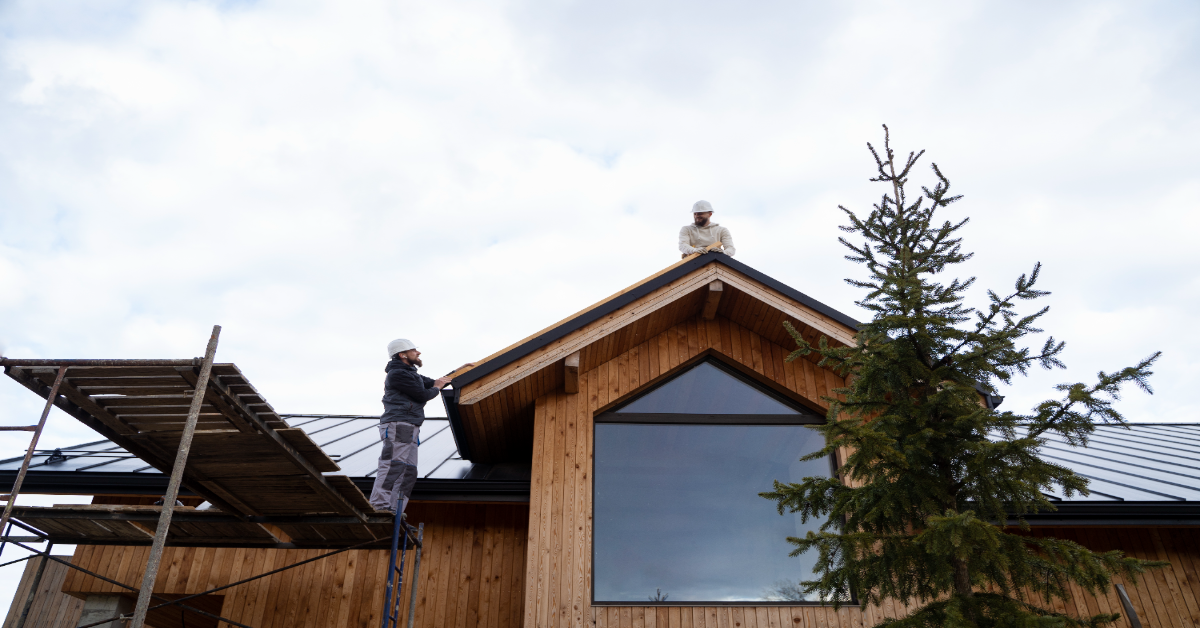
Residential roofing Calgary is genuinely different from roofing in most other Canadian cities. The combination of Chinook thermal cycling, annual hailstorm exposure, and freeze-thaw conditions specific to Calgary’s position at the base of the Rockies creates a set of roofing challenges that most national contractors don’t fully understand — and that most Calgary homeowners don’t know to ask about.
This guide covers the roofing materials that actually perform in Calgary’s climate, the warning signs that mean your home needs a new roof, what the replacement process involves, what you’ll pay, and how to hire a Calgary residential roofing contractor who knows what they’re doing.
Why Calgary Residential Roofing Is Different from the Rest of Canada
Calgary sits in one of the most challenging roofing environments in North America. Understanding the specific conditions your roof faces is the foundation of making good material and contractor decisions.
Chinook thermal cycling. Calgary’s Chinook winds create temperature swings of 20°C or more in a single day — sometimes in a matter of hours. Every shingle, membrane, flashing joint, and sealant on your roof expands and contracts through this cycling repeatedly throughout the year. Materials that handle this cycling without cracking, delaminating, or losing their seal are essential. Materials that don’t are going to fail prematurely, often in ways that aren’t visible from the street until water is already inside your walls.
Hailstorm exposure. Calgary ranks among the most hail-impacted cities in North America, averaging multiple significant hailstorm events per year. Golf ball-sized hail is not uncommon. A single severe hailstorm can destroy an asphalt shingle roof that was in perfectly good condition the day before — and the damage is frequently more extensive than what’s visible from the ground. Hail granule loss, hidden cracks in shingle surface, and compromised underlayment all affect the roof’s ability to shed water, but none of them are obvious during a casual visual inspection.
Freeze-thaw cycles. Even without Chinook events, Calgary’s winters create standard freeze-thaw cycling at the roof edge — the condition that produces ice dams. Ice dams form when heat escaping through inadequately insulated roof decks melts snow that then refreezes at the eaves, forcing meltwater back up under shingles and into the building envelope. Proper ice-and-water shield installation and attic insulation are non-negotiable components of any Calgary residential roofing project done to the correct standard.
The Most Common Residential Roofing Materials Used in Calgary Homes
Asphalt Shingles
Asphalt shingles are the most widely installed residential roofing material in Calgary — and for most homes, they remain the most practical choice. Modern architectural shingles are significantly more durable than the 3-tab shingles common on Calgary homes built before 2000, with manufacturer warranties of 25–30 years on quality products.
For Calgary specifically, Class 4 impact-resistant shingles are worth serious consideration. They cost 15–30% more than standard architectural shingles upfront, but they withstand hail impacts that destroy standard shingles — and many Alberta insurers offer premium discounts for homes with Class 4 rated roofing that offset a meaningful portion of the upfront cost difference.
Metal Roofing
Metal roofing is the definitive answer to Calgary’s hail problem. Standing seam steel panels and metal roofing systems are largely immune to hail damage that destroys asphalt shingles, and their 40–70 year lifespans mean most Calgary homeowners who choose metal will never replace their roof again. Premium upfront cost — typically 2–3x asphalt — but unmatched long-term value in Calgary’s specific climate. See our residential roofing services page for more on the metal roofing options available for Calgary homes.
Flat and Low-Slope Roofing
Some Calgary residential properties — particularly townhouses, additions, and contemporary builds — have flat or low-slope roof sections requiring membrane systems rather than shingles. EPDM rubber membrane handles Chinook thermal cycling better than most alternatives, with a 20–30 year lifespan. TPO membrane provides excellent UV reflectance that reduces heat absorption in summer. Learn more about flat roofing options for Calgary properties.
Warning Signs Your Calgary Home Needs a New Roof
Many Calgary homeowners wait too long to replace a roof because the signs aren’t always obvious from street level. These are the indicators that mean it’s time to call a roofing contractor for a professional inspection:
Shingles curling or buckling. When shingle edges curl upward or the shingle body bubbles away from the deck, the material has reached end of life. Curling creates an entry point for wind-driven rain and accelerates during Chinook events.
Missing or cracked shingles. Individual missing or cracked shingles can be repaired, but widespread missing shingles indicate the overall fastening system is failing — a whole-roof condition, not a spot repair.
Visible granule loss. Asphalt shingles lose granules as they age. Heavy granule loss in eavestroughs is a reliable indicator of shingle end-of-life. After a hailstorm, sudden heavy granule loss indicates impact damage even when no visible cracking is apparent.
Age of the roof. Most Calgary homes built before 2010 with original asphalt shingles are at or near end of shingle life. Standard 25-year shingles installed in the mid-1990s are now 30+ years old. Calgary’s specific hail exposure accelerates that timeline — a roof that would last 25 years in a non-hail zone may have an effective lifespan of 15–20 years in Calgary.
Water stains on ceilings or walls. Interior water staining is the last warning sign, not the first — by the time water appears inside, the roof failure has typically been in progress for a season or more. Act on the earlier signs before you reach this point.
Post-hailstorm damage. If your neighbourhood took a significant hailstorm, get a professional roof inspection in Calgary before filing or declining an insurance claim. Hail damage is consistently underestimated from ground level.
The Residential Roof Replacement Process in Calgary
A properly executed residential roof replacement in Calgary follows a defined sequence that protects both the product warranty and the building structure:
1. Full tear-off. All existing roofing material is removed down to the deck. Tear-off allows inspection and repair of the deck itself — damaged or rotted deck sections are replaced before anything goes back on top.
2. Deck inspection and repair. Calgary’s freeze-thaw history means older decks often have localized rot, delamination, or fastener pull-through that needs addressing before the new roof system goes down.
3. Ice and water shield installation. Applied at eaves, valleys, and all penetrations — the areas most vulnerable to ice dam water infiltration and wind-driven rain intrusion.
4. Underlayment. Quality synthetic underlayment goes over the full deck surface, providing secondary water protection and a slip-resistant work surface.
5. Roofing system installation. Shingles, metal panels, or membrane — installed to manufacturer specifications that preserve the full product warranty.
6. Flashing and ventilation. All pipe penetrations, chimney flashings, valley flashings, drip edges, and ridge vents are installed or replaced. Flashing failure is the most common cause of leaks on newer Calgary roofs — it deserves as much attention as the roofing material itself.
For a complete overview of our replacement process, visit our roof replacement service page.
Does Residential Roofing Calgary Require a Permit?
Yes — most residential roofing work in Calgary that involves structural components, changes to the roof system, or new construction requires a permit under Alberta’s building codes and standards.
A straight shingle-for-shingle replacement on an unchanged deck may not always require a permit, but any work involving structural repairs, changes to the ventilation system, addition of skylights, or significant changes to the roof configuration almost certainly does. The Alberta Safety Codes Act requires permits for covered construction work, and primary responsibility for compliance rests with the property owner.
A reputable Calgary residential roofing contractor identifies permit requirements during the estimate process and manages the application on your behalf where needed. If a contractor actively discourages getting a permit, treat it as a red flag.
What Does Residential Roofing Cost in Calgary?
For standard asphalt shingle replacement on a typical Calgary detached home (1,500–2,500 sq ft of roof area):
| Scope | Typical Cost Range |
|---|---|
| Standard architectural shingles (installed, full tear-off) | $8,000 – $14,000 |
| Class 4 impact-resistant shingles | $10,000 – $18,000 |
| Metal roofing (standing seam or steel panel) | $18,000 – $35,000+ |
| Flat/low-slope section (EPDM or TPO, per 500 sq ft) | $3,500 – $7,000 |
| Emergency roof repair (temporary or permanent) | $500 – $3,500 |
These are installed costs for Calgary — including tear-off, deck inspection, materials, labour, permits where applicable, and cleanup. Actual pricing varies by roof pitch, accessibility, repair needs discovered during tear-off, and current material costs.
If hail damage is involved, your home insurer may cover a portion of replacement cost. Our team manages Calgary hail damage insurance claims from inspection through completed repair.
Frequently Asked Questions
How long does a residential roof last in Calgary?
Standard architectural asphalt shingles have 25–30 year manufacturer warranties but typically reach practical end of life sooner in Calgary due to hailstorm exposure and Chinook thermal cycling. Class 4 impact-resistant shingles and metal roofing systems have meaningfully longer real-world lifespans in Calgary’s climate.
What is the best roofing material for Calgary hail?
Class 4 impact-resistant asphalt shingles are the most cost-effective upgrade for hail resistance and the most common choice for Calgary residential replacements. Metal roofing (standing seam) provides the highest level of hail protection of any residential roofing system available.
Do I need to be home during a roof replacement in Calgary?
Not necessarily. Most residential roof replacements proceed without the homeowner present. Confirm with your contractor before the project starts what they need from you — typically access to the property, a point of contact by phone, and someone to review the completed work at the end.
How do I know if my roof needs repair or full replacement?
If damage is isolated to a small area with no underlying deck issues and the surrounding roof has significant life remaining, repair is appropriate. If shingles are broadly deteriorated, the deck has widespread issues, or a major hailstorm has compromised the full roof surface, replacement delivers better long-term value. A professional roof inspection in Calgary provides the accurate assessment you need before making this decision.
Can I claim a new Calgary roof on my home insurance?
If your roof was damaged by a hailstorm or other insured peril, yes. If the roof is simply worn out from age, no — that’s a maintenance item, not an insurable event. The line between storm damage and wear is sometimes genuinely unclear, and a detailed inspection with photographic documentation is essential to support a hail damage claim. Contact us for a free hail damage inspection in Calgary.
Get a Free Residential Roofing Estimate in Calgary
Laser Cut Roofing Ltd. has been protecting Calgary homes since 2010. We’re an IKO RoofPro Select certified contractor, fully licensed and insured, with a 10-year workmanship warranty on every residential roofing project.
📞 Calgary: 403-899-9281
📧 lasercutroofing@gmail.com
Request Your Free Calgary Estimate → | See All Roofing Services →